Dr. Kassandra
Makri.
DATA SCIENCE & ANALYTICS LEADER · PHD
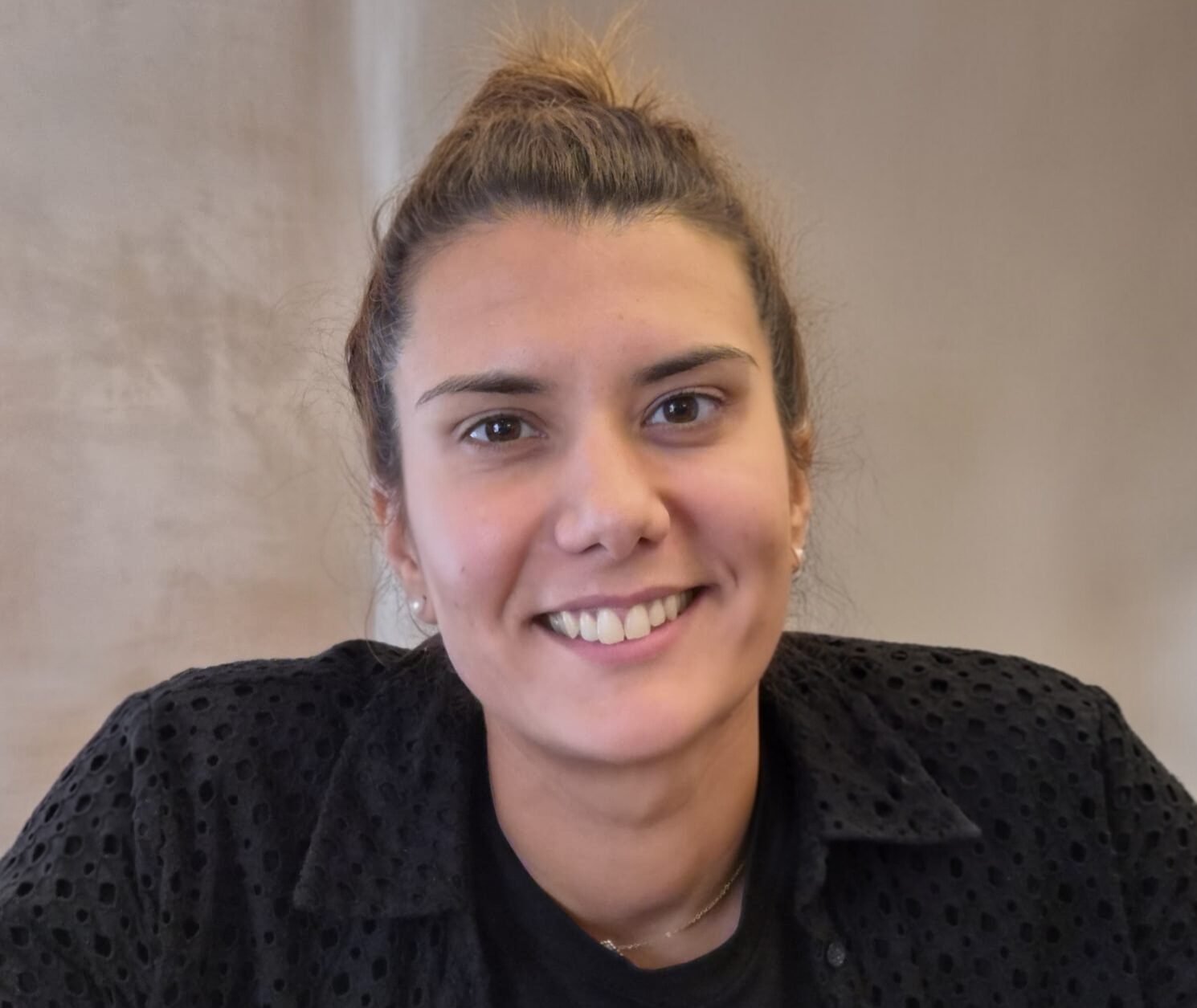
"Analytics should change what happens next."
Most analytics challenges aren't really analytics challenges. I've spent seven years closing that gap — building the capability, not just the models.
About
Organisations don't struggle because they lack data or tools. They struggle because they haven't built the capability to use them well. I've spent my career bridging that gap.
My route into this field was unconventional. A PhD in mechanical engineering, then a PostDoc at UCL, then industry. What that journey gave me was a habit I've never lost: asking why before how. I don't reach for a solution until I've properly understood the problem. And if there's a way to solve it, I'll find it.
Most recently at GE Vernova, I built the data science and people analytics practice from scratch for a 75,000 person organisation. I was a key voice in shaping the analytics strategy, made bold calls on technology direction, and pushed the quality of insight well beyond what senior stakeholders expected. The goal was always data that tells a real story, tied to an actual decision.
I hold my views with evidence, not ego. When I challenge an approach, it's because I've thought it through.
Expertise
Seven years building analytics capability across large, complex organisations — strategy, delivery, and everything in between.
Technical
Data Science & ML
I have built advanced models across sectors and problem types. Clustering, forecasting, recommendation engines, consumer market analytics at global scale. I care as much about whether it gets used as whether it works.
Strategic
Analytics Strategy
I have sat at the table where technology investment decisions get made and I have made them. As a member of the data governance committee and functional leader for HR tools and data, I bring a clear point of view on what to build, what to buy, and what to walk away from. Strategy without delivery is just a slide deck.
Delivery
Insight to Action
Good analysis starts with better questions. I have redesigned how data gets captured, from survey instruments that surface leadership traits to attrition models that separate signal from noise. The work spans workforce analytics, internal mobility, reward and ways of working. If I have done my job well, people leave the room knowing what to do next.
Foundation
Capability Building
I care about leaving things in better shape than I found them. Data models that scale, reporting automation that frees people up for thinking rather than processing, and data literacy programmes that shift teams from operational questions to strategic ones. I have built and led teams where curiosity is encouraged, psychological safety is real and people grow. Good foundations and good people are what every successful analytics function is truly built on.
Selected Work
A selection of projects that show how I work — the decisions, the approach, and what changed.
Transforming an analytics function at enterprise scale
GE Vernova · 75,000 person organisation · People Analytics & Data Science
The problem
A basic analytics function existed but it was fragmented, under-resourced and disconnected from the decisions that mattered. Senior leadership had data but not insight, and no clear view of what the analytics capability could or should be doing.
What I did
I redesigned the practice from the ground up. Defined the strategy, set the operating model, built the team and established the practices that turned a reporting service into a genuine decision-support capability. I stayed close to the delivery throughout rather than handing it over once the vision was set.
What it unlocked
Senior leaders moved from waiting weeks for answers to getting them in hours. The function became a trusted partner to HR, Operations and the executive team rather than a back-office reporting service.
Making the case for a new data platform
GE Vernova · Technology investment decision · Databricks adoption
The problem
The existing data infrastructure was limiting what the analytics team could build and how fast they could build it. Manual processes were absorbing capacity that should have been spent on analysis. The organisation needed a step change in capability, not an incremental fix.
What I did
I identified the gap, evaluated the options and made the case for Databricks. That meant building a business case that addressed genuine concerns. Leaders were sceptical about both the investment and data security. I worked through those concerns directly, highlighted the benefits, and drove the adoption forward while the organisation was still building confidence in the platform.
What it unlocked
The first tangible return was a report that had previously taken teams weeks to produce, automated and running reliably. The broader infrastructure was still being built when I moved on. The foundation was in place and the direction was set.
AI-enabled analytics that changed how decisions got made
GE Vernova · NLP and predictive indicators · Executive reporting
The problem
Executive reporting was slow, manual and reactive. Leaders were receiving information after the moment to act had passed. The team was spending most of its time producing reports rather than generating insight.
What I did
I led the design and delivery of AI-enabled analytics projects using NLP and predictive indicators. The goal was to automate what could be automated and redirect analyst capacity towards the work that required judgement. I also pushed to fully automate the reporting estate where manual effort was adding no analytical value.
What it unlocked
Manual reporting effort reduced by over 20 percent. The team shifted from producing outputs to shaping conversations at senior leadership level.
Consolidating a fragmented reporting estate
GE Vernova · Workforce data · Reporting rationalisation
The problem
The organisation had accumulated a large number of reports over time, many of them overlapping, inconsistent or no longer fit for purpose. Stakeholders were working from different versions of the truth and the analytics team was maintaining a reporting estate that had grown beyond its usefulness.
What I did
I used unsupervised ML to map the reporting landscape, identify duplication and rationalise what existed. Working with stakeholders across the business, I redesigned the data structures that underpinned the reports and reduced the estate to a smaller set of trusted, well-maintained outputs.
What it unlocked
A single version of the truth for key workforce metrics. Reduced maintenance burden on the team. Stakeholders who previously questioned the data started using it to make decisions.
Writing
Thinking on analytics leadership, capability building, and the decisions that move organisations forward. More coming soon.
Analytics Strategy
Why most analytics transformations fail before they start
Let’s skip the part where I cite a McKinsey statistic and you nod politely. You already know the failure rates are brutal. You’ve probably lived one.
Read more →If you're building
something that lasts,
let's talk.
Open to senior analytics and data science leadership roles. Connect on LinkedIn or drop me an email.
kasmakri.com · Dr. Kassandra Makri · London, UK